In the vast world of Chinese cooking, steamer liner paper acts as a dedicated "invisible", providing numerous conveniences for our journey into the realm of steamed delicacies. However, when it comes to this common kitchen utensil, have you truly delved its depths of knowledge? What are the mysteries behind its material? And what are the precautions to keep in mind during its use? Today, let us together unveil the mysterious veil the steamer liner paper.
1. Analysis of Steamer Liner Paper Material: Safety is the Primary Standard
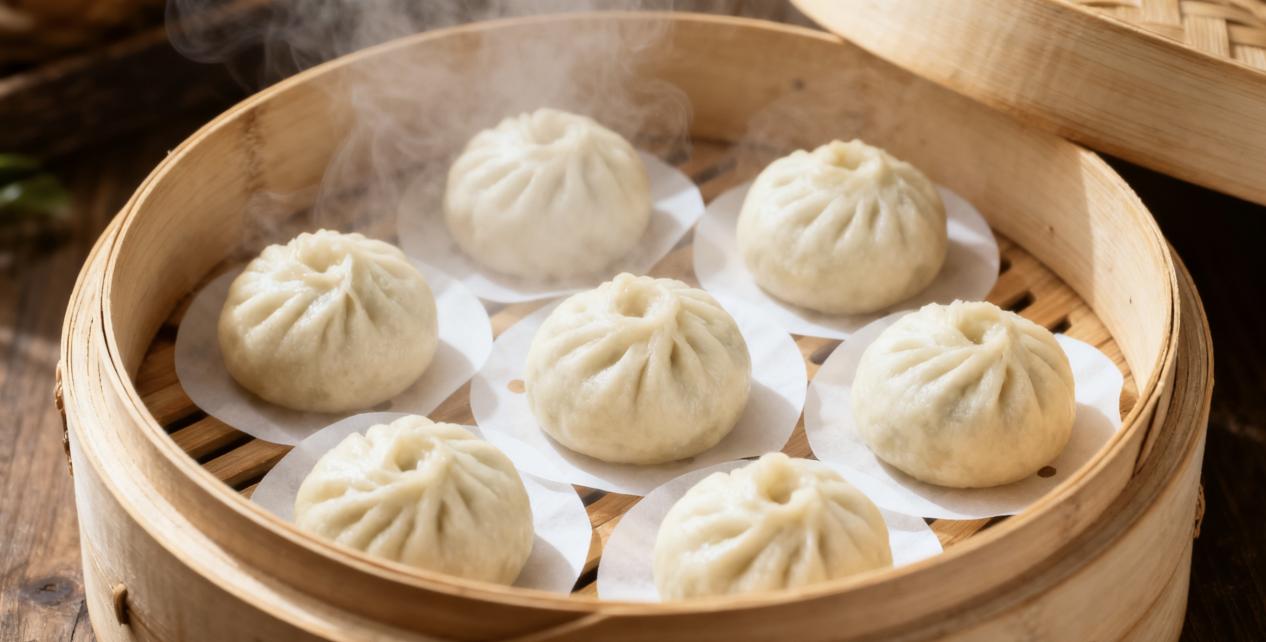
Currently, the market is dominated by food-grade oil paper for steamer liners. This material is created by coating the base paper with silicone oil, giving it characteristics such as heat resistance, non-stick, and water repency. The food-grade silicone oil ensures that no harmful substances are released during the high-temperature steaming process, allowing us to enjoy our meals with peace of mind. Additionally some steamer liner papers utilize natural plant fiber materials, which are more eco-friendly and healthier, but may fall short in non-stick performance.
2.The versatile uses of steamer paper: beyond just steaming buns and dumplings
When it comes to steamer paper, people's first thought is to prevent buns and dumplings from sticking to the bottom during steaming. However, its uses extend far beyond this. When steaming foods likeplings, siu mai, and zongzi, using steamer paper can prevent direct contact between the food and the steamer, avoiding sticking and skin breakage. It also be used for steaming cakes and vegetables, preserving the shape and nutrients of the food and making the cooking process more convenient.

3.Steps to take note of using steamer paper: don't overlook these details
Although steamer paper is convenient to use, there are still some details to keep in mind during use. First, food-grade steamer paper produced by reputable manufacturers to ensure its quality and safety. Before use, it is best to cut the steamer paper to the appropriate size to avoid affecting use effect due to being too large or too small. Additionally, during the steaming process, avoid letting the steamer paper come into direct contact with an open flame to prevent. Lastly, used steamer paper is considered kitchen waste and should be handled according to waste classification requirements.
Through the above introduction, we believe that you have a more comprehensive of steamer paper. This small kitchen utensil adds convenience and safety to our cooking life with its "power." In the future cooking process, let us use steamer correctly and enjoy the joy of food!

 English
 Español
 Português
 русский
 français
 日本語
日本語
 Deutsch
 Italiano
 Nederlands
 ไทย
ไทย
 Polski
 한국어
한국어
 Svenska
 magyar
 Malay
Malay
 Dansk
Dansk
 Suomi
Suomi
 Pilipino
 Gaeilge
 عربى
عربى
 norsk
norsk
 čeština
 Ελληνικά
 فارسی
فارسی
 Azərbaycan
 slovenský
 Lietuvos
 Română
 मराठी
मराठी
 Српски
 Afrikaans
 עִברִית
 Cymraeg
 Latvietis
 icelandic
 Беларус
 Hrvatski
 Kreyòl ayisyen
 Malti
Malti
 Bosanski
 ગુજરાતી
 Монгол хэл
 Hmong
Hmong
 Zulu
Zulu
 Gàidhlig
 Somali
 O'zbek
 Hawaiian
 Lëtzebuergesch
 Luganda